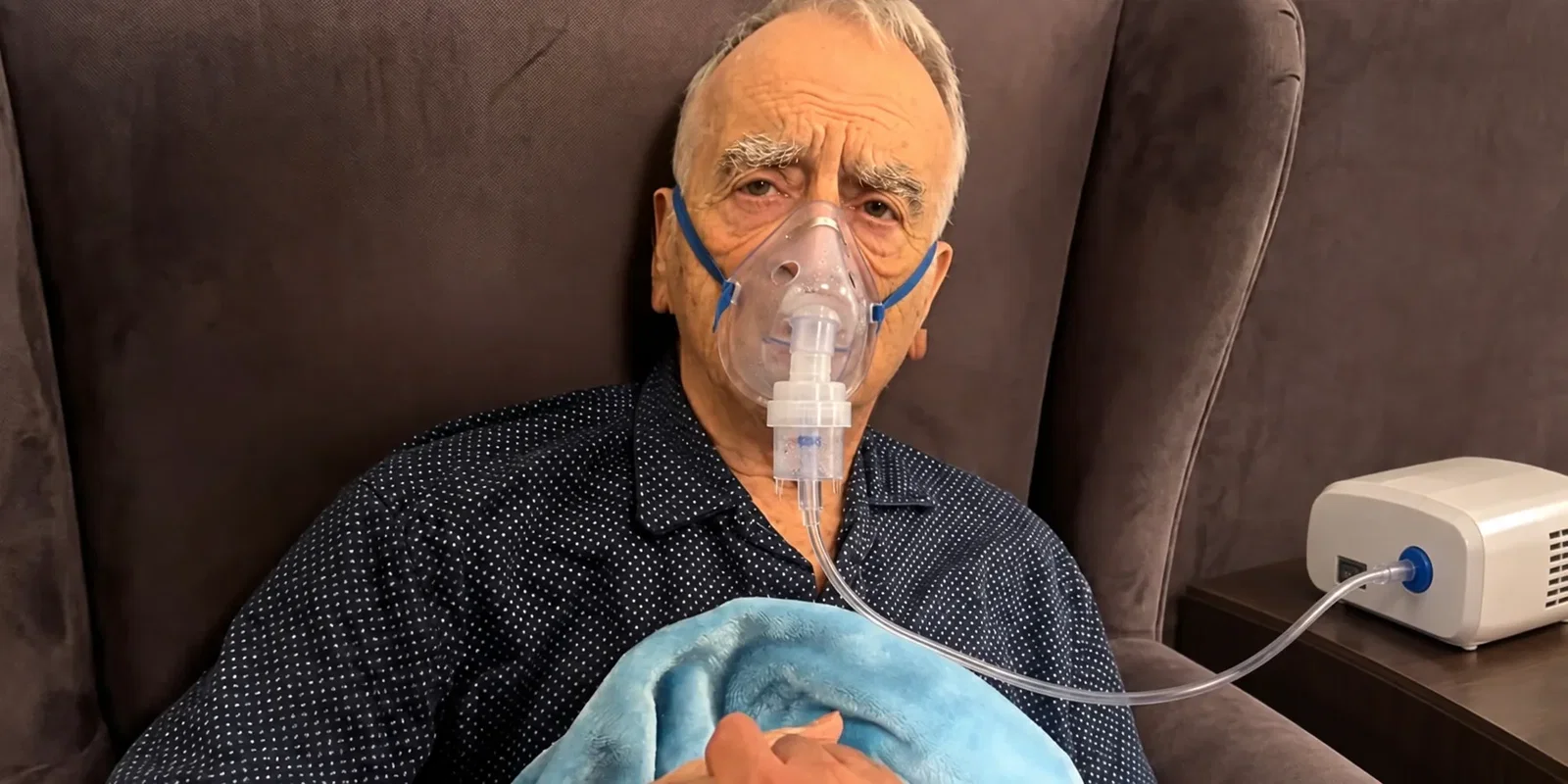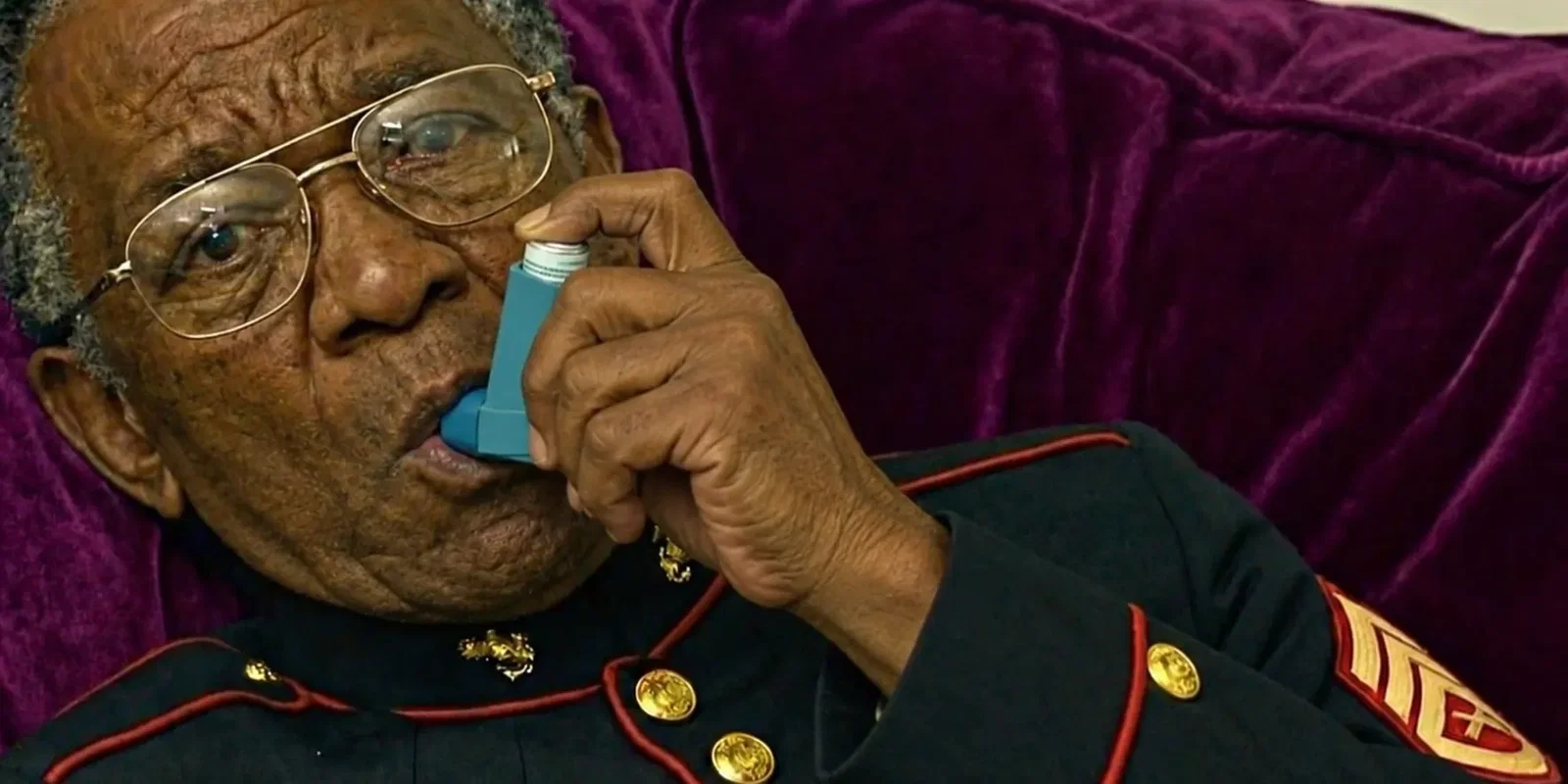
Hal Braddock, the 81-year-old former rodeo champion and Western film director, sat down recently to talk about something far less dramatic than his movie career: how he starts his mornings — and how it has become part of the way he takes care of his lungs.
"I'm no expert, and I'm not here to tell anybody what to do," he said. "But I've added a few small habits over the last year to support my lungs, and my breathing feels easier and more comfortable than it used to."
Our lungs work hard every day, and as we get older many adults notice a tight chest, morning coughing, or a little shortness of breath on the stairs. Wanting to take better care of your lungs is completely natural — and you're not alone.
Hal's routine caught the attention of Dr. Lee, a wellness-focused physician who has spent years studying everyday habits that support lung health and respiratory comfort. The two sat down to talk about what Hal does and why it has become such a steady part of his day.
This is not medical advice, and results vary from person to person. As always, talk with your own doctor before changing your routine.

Dr. Lee: Hal, you've been telling everyone about your morning routine. How did it start?

Hal: A friend passed along a short video about a gentle morning ritual built around ingredients many people already have at home.
I was skeptical at first. I'm 81, and I've heard plenty of advice over the years.
But it was simple, so I gave it a try. A few weeks in, my lungs felt clearer in the mornings, I wasn't stopping halfway up the stairs anymore, and I was getting back to things I love, like time in the saddle and playing catch with my grandson.
I can't say it's right for everybody. I can only say it's the kind of lung support I wish I had started years ago, and it's become a pleasant part of my day.

Dr. Lee: Is it something anyone can try at home?

Hal: It's easy to follow. It uses everyday household items to help support healthy lungs and clearer, easier breathing, and it only takes a minute or so each morning.
The video explains which items to use, how much, and when. It's a good idea to talk to your doctor first, like with anything new.
You can watch it below if you're curious.